


Britain's water infrastructure is entering a period of significant change. With billions of pounds committed to upgrading ageing networks, improving water quality and strengthening resilience, the industry faces the considerable challenge of turning investment commitments into meaningful improvements on the ground.
The current Asset Management Period, AMP8, runs from 2025 to 2030 and forms part of a wider £104 billion investment programme across the water sector. Meanwhile, the Government's January 2026 white paper, A New Vision for Water, has outlined proposals to reform regulation, attract investment and accelerate infrastructure deliveryi.
But what does this mean for the construction industry, and how will the changes shape the infrastructure of tomorrow?
In the first instalment of our 5 Questions series, we explore the challenges, opportunities and developments influencing the future of Britain's water infrastructure.
1. Why is investment in Britain's water infrastructure accelerating?
The UK's water infrastructure faces growing pressure from ageing assets, population growth, environmental concerns and increasingly demanding weather conditions.
For years, questions have been raised about the ability of existing networks to accommodate future demand while meeting public expectations for cleaner rivers, reliable supplies and reduced pollution.
The scale of the challenge is considerable. The Government's water reform white paper highlights an estimated requirement for at least £290 billion in enhancement investment before 2050, demonstrating that the current investment programme is only the beginningi.
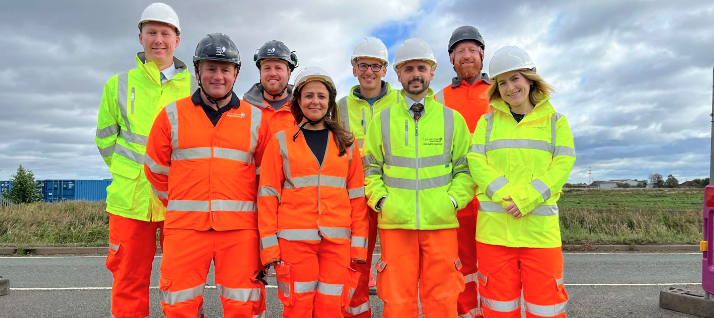
Recent developments are already translating into regional commitments. On 27 October 2026, Anglian Water announced approximately £350 million of investment across Lincolnshire between 2025 and 2030, as part of its wider £11 billion AMP8 programme. The investment is intended to improve water supply security, strengthen water recycling infrastructure and support growing communitiesii.
For contractors and suppliers, this signals a sustained period of opportunity, but one that will demand reliable materials, effective planning and efficient delivery.
 |
2. What are the biggest challenges facing existing drainage and sewer networks?
One of the most pressing challenges is the capacity of existing wastewater infrastructure to manage increased demand and periods of intense rainfall.
In many areas, combined sewer systems carry both wastewater and rainwater. During heavy rainfall, these networks can become overwhelmed, contributing to storm overflow discharges into rivers and coastal waters.
Government figures show that storm overflows discharged into England's waterways for approximately 3.61 million hours during 2024. Addressing this problem requires improvements across treatment works, sewer networks and wider surface water management systemsi.
However, expanding capacity is only part of the solution.
Effective drainage design, appropriate pipe specification, accessible inspection points and long-term maintenance all contribute to reliable infrastructure. Separating surface water from combined networks where practical, alongside wider adoption of sustainable drainage systems (SuDS), can also help manage pressure on existing assets.
The challenge is therefore not simply to build more infrastructure, but to develop networks that are better equipped for future demands.
3. How is AMP8 investment translating into construction activity?
AMP8 represents one of the most significant periods of investment the UK water industry has undertaken, with projects ranging from treatment works upgrades to sewer improvements and environmental protection schemes.
Evidence of delivery is already emerging.
In October 2026, Kier announced four contracts worth almost £65 million across Thames Water wastewater treatment sites at Harpenden, Princes Risborough and Wisley. The works will support improvements to treatment capacity, operational resilience and environmental performanceiii.
Elsewhere, Yorkshire Water is progressing investigations connected to its £1.5 billion programme to reduce combined storm overflow discharges across Yorkshireiv.
These programmes create opportunities throughout the construction supply chain, from major civil engineering contractors to specialist manufacturers, distributors and regional builders' merchants.
The next challenge will be maintaining delivery momentum. Ofwat is expected to publish its first formal assessment of AMP8 delivery progress in December 2026, providing an important indication of how effectively planned investment is moving into implementationv.
4. What role will modern drainage products play in improving network performance?
While large-scale investment often attracts the headlines, the long-term performance of water infrastructure depends heavily on the quality and suitability of its individual components.
Pipe systems, inspection chambers, catchpits and associated drainage products each play a role in providing effective water conveyance, managing surface water and enabling ongoing maintenance.
Modern drainage systems must balance several considerations, including structural performance, installation efficiency, durability and suitability for their intended application.
For contractors, selecting the appropriate products can help simplify installation and support long-term asset performance. For merchants and distributors, understanding these requirements is equally important when advising customers and supporting infrastructure projects.
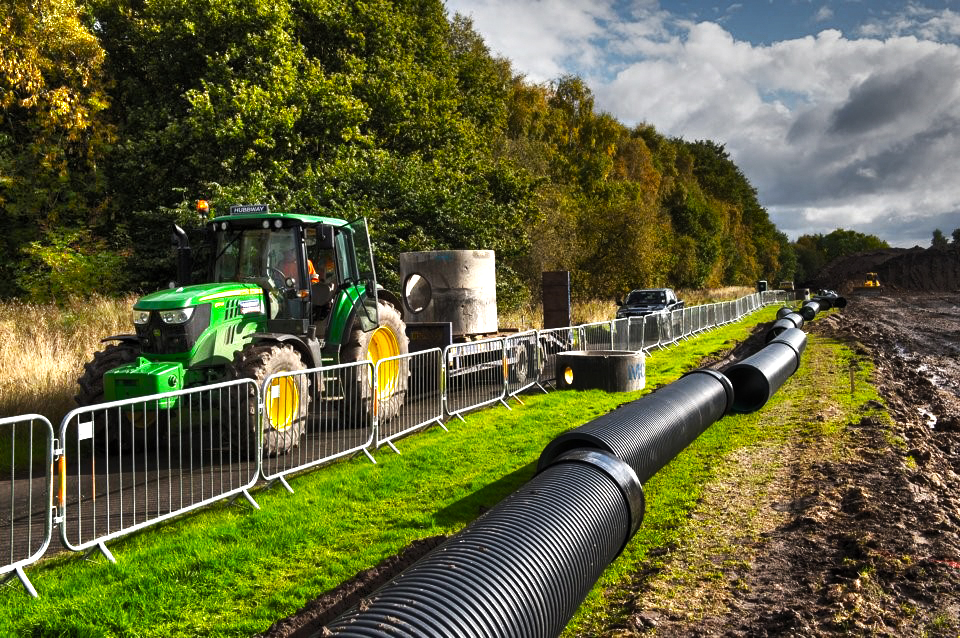
At Naylor, our drainage offering includes MetroDrain twinwall drainage pipes, inspection chambers, catchpits and surface water management solutions, supporting applications across construction and civil engineering.
As investment accelerates, choosing the right products for each application will remain an important part of delivering infrastructure designed to perform for decades.
 |
5. What will successful water infrastructure delivery look like over the next decade?
The success of Britain's water infrastructure investment will ultimately be judged by outcomes rather than spending commitments alone.
Reduced pollution, improved water quality, more resilient networks and reliable services will be among the clearest measures of progress.
However, delivering these improvements will require long-term planning and collaboration between water companies, regulators, contractors, manufacturers and the wider supply chain.
The Government's proposed reforms include establishing a new integrated water regulator, strengthening long-term infrastructure planning and creating conditions intended to encourage greater investmentvi.
There are also immediate challenges. Ofwat's October 2026 financial resilience report highlighted approximately £1.8 billion of new shareholder equity injected into regulated water companies during the first year of AMP8, reflecting the importance of securing the funding needed to deliver planned improvementsvii.
For the construction industry, the opportunity extends beyond individual projects. The years ahead offer a chance to establish more efficient, sustainable and resilient approaches to delivering essential infrastructure.
Looking ahead
Britain's water infrastructure is at an important turning point. With significant investment underway and expectations rising, the focus must increasingly shift from ambition to delivery.
For Naylor and the wider construction supply chain, supporting this transition means combining product knowledge, dependable solutions and an understanding of the challenges facing modern infrastructure.
Because the future of Britain's water networks will depend not only on how much is invested, but on how effectively that investment is delivered.
Sources:
i: https://www.gov.uk/government/publications/a-new-vision-for-water-white-paper/a-new-vision-for-water
iv: https://www.waterbriefing.org/
v: https://www.britishwater.co.uk/news/733625/Policy-And-Regulations-Updates.htm
vii: https://www.ofwat.gov.uk/summary-of-ofwats-monitoring-financial-resilience-report